
















How Hybrid Coconut Plant Prices Reflect Their Superior Yield and Resilience

Hybrid coconut plants have been gaining popularity in recent years due to their superior yield and resilience. These plants are a result of cross-breeding between two or more varieties of coconut trees, resulting in a plant that combines the best traits of its parent trees. Due to their numerous benefits, hybrid coconut plants have become a preferred choice for farmers and plant enthusiasts alike. However, the prices of these plants may seem higher compared to traditional coconut plants. In this article, we will explore how hybrid coconut plant prices reflect their superior yield and resilience.
Superior Yield of Hybrid Coconut Plants
One of the main reasons for the higher prices of hybrid coconut plants is their superior yield. These plants are specifically bred to produce high-quality coconuts in large quantities. Unlike traditional coconut trees that can take up to 10 years to start bearing fruits, hybrid coconut plants can start producing coconuts within 3-4 years of planting. This means that farmers can start earning profits sooner with hybrid coconut plants.
Moreover, hybrid coconut plants can produce up to 250 coconuts per year, which is significantly higher than traditional coconut trees that produce around 80-100 coconuts per year. This high yield is due to the fact that hybrid plants have a more efficient photosynthesis process, allowing them to produce more coconuts with the same amount of resources. Higher yield also means higher profits for farmers, making the higher prices of hybrid coconut plants a worthwhile investment.
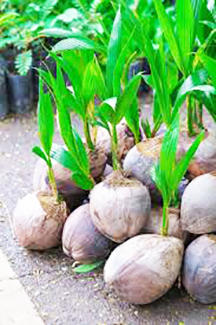
Resilience of Hybrid Coconut Plants
Another factor that contributes to the higher prices of hybrid coconut plants is their resilience. These plants are specifically bred to be resistant to diseases, pests, and adverse weather conditions. Traditional coconut trees are susceptible to various diseases, such as lethal yellowing and bud rot, which can significantly reduce their yield and even kill the plant. On the other hand, hybrid coconut plants have a higher level of resistance to these diseases, making them a more reliable and sustainable option for farmers.
In addition to disease resistance, hybrid coconut plants are also more resilient to adverse weather conditions. They can withstand high winds, heavy rains, and droughts, making them suitable for cultivation in different climatic conditions. This resilience also translates to higher survival rates of hybrid plants, which means farmers do not have to replace their plants as frequently, resulting in long-term cost savings.
Benefits of Hybrid Coconut Plants
Apart from their superior yield and resilience, hybrid coconut plants offer several other benefits that justify their higher prices. First and foremost, these plants are more adaptable to different soil types, making them suitable for cultivation in various regions. They also have a longer lifespan compared to traditional coconut trees, with some hybrid varieties living up to 50 years.
Another significant benefit of hybrid coconut plants is their versatility. They can be grown for both their fruits and their by-products, such as coconut oil, milk, and water. This allows farmers to diversify their income streams and make the most out of their investment. Additionally, hybrid coconut plants have a higher nutritional value, with their coconuts containing more nutrients and minerals than traditional coconuts.
Cost of Hybrid Coconut Plants
The cost of hybrid coconut plants varies depending on various factors such as the variety, age, and size of the plant. On average, a hybrid coconut plant can cost anywhere between $10 to $50, which may seem higher compared to traditional coconut plants that cost around $5 to $15. However, as mentioned earlier, the higher initial investment is offset by the superior yield and resilience of hybrid plants, resulting in higher long-term profits for farmers.
Moreover, the cost of hybrid coconut plants is also influenced by the demand for these plants. With the increasing popularity of hybrid plants, their demand has also risen, resulting in higher prices. However, this demand is justified by the numerous benefits that these plants offer, making them a worthwhile investment for farmers.
In conclusion, the prices of hybrid coconut plants reflect their superior yield and resilience. These plants have been specifically bred to produce high-quality coconuts in large quantities, making them a profitable investment for farmers. Their resilience to diseases and adverse weather conditions also contributes to their higher prices, as it ensures long-term sustainability for farmers. With their numerous benefits, hybrid coconut plants are undoubtedly a superior choice for those looking to invest in coconut plantations.